
BUSINESS
Elevate Your Skills with Pinnacle Series for Autodesk Construction Clou

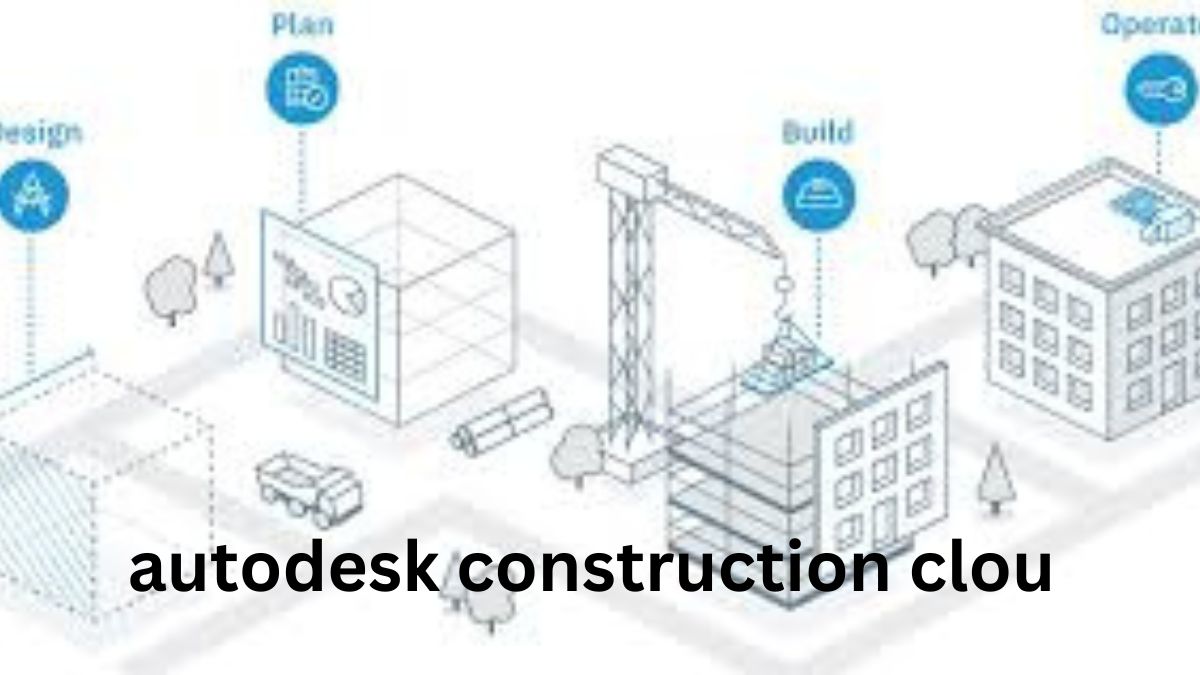
In today’s rapidly evolving construction industry, staying ahead of the competition is essential. Whether you’re a seasoned professional or new to the field, mastering digital tools like Autodesk Construction Clou can significantly enhance your productivity and project outcomes. But how do you get the most out of such a powerful platform? Enter Pinnacle Series—a comprehensive training solution designed to elevate your skills and ensure you’re making the most of Autodesk Construction Cloud. This blog post will guide you through the ins and outs of leveraging Pinnacle Series to maximize your efficiency and expertise.
Why Training Matters in the Digital Construction Era
The construction industry is undergoing a digital transformation. With tools like Autodesk Construction Clou, professionals can streamline workflows, improve collaboration, and deliver projects more efficiently. However, such advancements come with a learning curve. Proper training ensures you not only understand the basics but become proficient, allowing you to harness the full potential of these tools.
Training is not just about learning new software; it’s about staying relevant in a competitive industry. With technology progressing rapidly, having a solid grasp of the latest tools can be the difference between leading a project successfully and lagging behind. Investing in training like Pinnacle Series helps you maintain a competitive edge by staying current with the latest features and best practices of Autodesk Construction Cloud.
Furthermore, efficient training reduces the time spent troubleshooting and increases the time available for creative problem-solving. It empowers teams to work smarter, not harder, by providing the knowledge needed to optimize processes and increase productivity. By committing to consistent learning and improvement, construction professionals can ensure that they and their teams are well-prepared for any challenges that may arise.
Understanding Autodesk Construction Cloud
Autodesk Construction Cloud is a suite of products designed to support every stage of the construction lifecycle—from design and planning to building and operations. It integrates tools for project management, cost control, document management, and more, offering a unified platform for construction professionals. This integration allows for seamless communication and collaboration, resulting in more cohesive project execution.
The platform’s capabilities include managing project data, tracking expenses, and monitoring progress in real-time. With features like centralized document control, teams can avoid costly errors associated with miscommunication and outdated information. Additionally, Autodesk Construction Cloud provides insights through analytics, enabling informed decision-making and proactive problem-solving.
By understanding the full scope of Autodesk Construction Clou, users can identify which tools and modules best fit their specific needs. Whether focusing on design collaboration or field execution, knowing what each component offers ensures that teams make informed choices to optimize their workflow. This strategic approach to software utilization maximizes value and efficiency across all project stages.
The Role of Pinnacle Series in Construction Training
Pinnacle Series is an e-learning platform tailored to meet the needs of AEC (Architecture, Engineering, and Construction) professionals. It offers a wide range of resources, including video tutorials, workflows, and customizable training plans, all designed to enhance understanding and adoption of Autodesk Construction Clou.
The platform’s comprehensive nature allows users to learn at their own pace, ensuring they can build proficiency in areas most relevant to their role. Pinnacle Series also provides practical examples and scenarios, helping learners to apply what they’ve learned directly to their projects. This hands-on approach facilitates deeper understanding and greater retention of information.
Furthermore, Pinnacle Series supports continuous learning by regularly updating its content to align with the latest industry trends and software updates. This commitment to keeping training materials current ensures that users always have access to the most relevant information, empowering them to adapt quickly to changing demands in the construction landscape.
Customizing Your Learning Experience
One of the standout features of Pinnacle Series is its ability to provide personalized learning experiences. Users can tailor their training paths to focus on specific Autodesk Construction Cloud tools or industry topics, allowing them to address unique challenges and goals within their projects.
This customization capability is particularly beneficial for companies with diverse teams, as it enables each member to concentrate on the skills most pertinent to their responsibilities. For example, project managers might focus on mastering budgeting tools, while architects can hone their design collaboration skills. This targeted approach ensures that all team members are equipped with the expertise needed to excel in their roles.
Additionally, Pinnacle Series offers performance tracking and reporting features, allowing both individuals and managers to monitor progress and identify areas for improvement. This data-driven approach to training helps organizations align their workforce development strategies with broader business objectives, ensuring that skill-building efforts support overall company goals.
Practical Applications of Autodesk Construction Clou
Autodesk Construction Clou’s features extend across various aspects of construction management, offering practical solutions for common industry challenges. For instance, its project management tools enable teams to plan, execute, and monitor projects with greater precision, reducing risks and enhancing outcomes.
In terms of document management, the platform ensures that all team members have access to the most up-to-date information, minimizing errors caused by outdated documents. This centralization of data also facilitates better collaboration, as stakeholders can easily review and comment on documents in real-time, fostering a more transparent and efficient workflow.
Additionally, the analytics capabilities within Autodesk Construction Clou provide valuable insights into project performance, allowing teams to identify trends and address issues proactively. By leveraging these insights, construction professionals can make informed decisions that drive project success and contribute to overall business profitability.
Leveraging Expert Curation for Better Outcomes
Pinnacle Series’ expert curation ensures that its training content is not only comprehensive but also highly relevant to current industry practices. The platform’s team of subject matter experts continuously reviews and updates materials to reflect the latest advancements in Autodesk Construction Cloud and broader construction technology trends.
This level of expertise ensures that learners are exposed to best practices and cutting-edge techniques, enabling them to implement more effective solutions in their work. By staying informed about the latest developments, professionals can anticipate industry shifts and position their organizations to capitalize on new opportunities.
Furthermore, Pinnacle Series’ focus on expert-led training fosters a culture of continuous improvement within organizations. By encouraging employees to engage with high-quality learning resources, companies can build a more knowledgeable and adaptable workforce, ready to tackle future challenges with confidence.
Building a Community of Learners
One of the key benefits of using Pinnacle Series is the opportunity to connect with a community of like-minded professionals. This network provides a valuable support system for sharing knowledge, exchanging ideas, and collaborating on best practices related to Autodesk Construction Cloud.
Engaging with this community allows users to gain insights from others’ experiences, helping them overcome challenges and achieve their learning goals more efficiently. The collaborative nature of the platform fosters a spirit of innovation and creativity, empowering users to explore new approaches and develop unique solutions for their projects.
Additionally, participating in this community can enhance networking opportunities, enabling professionals to build relationships with peers who share similar interests and aspirations. These connections can lead to potential partnerships, mentorships, and career growth opportunities, further enriching the learning experience.
Mastering Tasting Notes with Pinnacle Series
While Pinnacle Series primarily focuses on technical aspects of Autodesk Construction Cloud, it also offers resources that can enhance soft skills, such as effective communication and collaboration. These skills are essential for successful project execution and fostering strong relationships within teams and with clients.
By incorporating these elements into its training offerings, Pinnacle Series helps users develop a well-rounded skill set that complements their technical expertise. This holistic approach to learning ensures that professionals are equipped to handle both the practical and interpersonal aspects of their roles, contributing to more successful project outcomes.
Furthermore, mastering these soft skills can lead to increased job satisfaction and career advancement opportunities, as individuals become more confident and capable in their interactions with colleagues and clients. By investing in comprehensive training, professionals can position themselves for long-term success in the increasingly competitive construction industry.
Maximizing Value with Subscriber-Only Deals
Subscribers to Pinnacle Series benefit from exclusive deals and discounts on additional training resources and tools, ensuring they receive maximum value from their investment. These offers can help organizations stretch their training budgets further, allowing them to provide even more learning opportunities for their teams.
In addition to financial incentives, subscribers gain access to premium content and features not available to non-members. This includes advanced training modules, personalized coaching sessions, and priority support services, all designed to enhance the learning experience and deliver tangible results.
By taking advantage of these subscriber-only deals, organizations can accelerate their workforce development efforts and ensure their teams remain at the forefront of industry innovation. This commitment to ongoing learning and improvement supports overall business success and positions companies as leaders in the construction sector.
Enhancing Collaboration Through Training
Effective collaboration is crucial for successful construction project execution, and Pinnacle Series’ training resources emphasize the importance of teamwork and communication. By focusing on these areas, the platform helps users develop the skills needed to collaborate effectively within Autodesk Construction Clou.
Training modules cover topics such as conflict resolution, active listening, and constructive feedback, providing practical strategies for maintaining positive working relationships. These skills enable teams to work more cohesively, reducing misunderstandings and fostering a collaborative environment conducive to innovation.
Additionally, Pinnacle Series’ focus on collaboration extends beyond individual users, offering resources for entire teams to learn together. This shared learning experience strengthens team dynamics and encourages a culture of mutual support and continuous improvement, ultimately driving better project outcomes.
Preparing for Future Challenges
As the construction industry continues to evolve, professionals must be prepared to adapt to new technologies and methodologies. Pinnacle Series equips users with the knowledge and skills needed to stay ahead of industry trends and remain competitive in this rapidly changing landscape.
The platform’s commitment to continuous learning ensures that users are always up-to-date with the latest developments in Autodesk Construction Cloud and related technologies. This proactive approach to skill-building enables professionals to anticipate future challenges and seize emerging opportunities, positioning themselves and their organizations for success.
By investing in comprehensive training through Pinnacle Series, construction professionals can build a strong foundation for long-term career growth and business success. With the right skills and knowledge, they can confidently navigate the complexities of the modern construction industry and drive innovation in their projects.
Your Next Steps Toward Mastery
In conclusion, mastering Autodesk Construction Clou with the help of Pinnacle Series is an essential step for construction professionals looking to enhance their skills and stay ahead in a competitive industry. By leveraging the platform’s comprehensive training resources, users can improve their proficiency, optimize workflows, and drive better project outcomes.
Now is the time to take action and invest in your professional development. By signing up for Pinnacle Series, you can access a wealth of knowledge and support that will empower you to excel in your role and contribute to your organization’s success.
Don’t wait any longer—embrace the opportunities that Autodesk Construction Cloud and Pinnacle Series have to offer, and unlock your full potential as a skilled and knowledgeable construction professional. Your future in the industry starts here.


The wheels of justice are turning, and they’re Walmart Truck Driver Lawsuit rolling straight towards one of the biggest names in retail: Walmart. The ongoing lawsuit involving Walmart truck drivers has captured attention across the nation, shedding light on crucial issues within the trucking industry. As allegations surface and advocacy groups rally for change, this case is more than just a legal battle; it’s a pivotal moment that could reshape how we view labor rights in transportation. Join us as we unpack the details behind this high-stakes controversy and explore what it means for truck drivers everywhere.
Background and Overview of the Lawsuit
The Walmart Truck Driver Lawsuit emerged as a significant legal battle in the trucking industry. It centers on claims made by drivers regarding working conditions, pay, and safety protocols.
Drivers allege that Walmart imposes unrealistic expectations. These demands can lead to unsafe driving practices and increased stress levels among employees. Many have expressed concerns about long hours without adequate breaks.
The lawsuit also highlights discrepancies in compensation. Drivers argue they are not fairly compensated for all their time spent on duty. This includes wait times at loading docks and other delays beyond their control.
As this case progresses through the courts, it represents more than just one company’s practices; it shines a light on broader issues within the logistics sector that affect countless professionals nationwide.
The Allegations Against Walmart
The Walmart Truck Driver Lawsuit centers on serious allegations regarding labor practices. Plaintiffs claim that the retail giant has failed to provide safe working conditions for its truck drivers.
Reports suggest that drivers are pressured to meet unrealistic delivery deadlines. Such demands can lead to fatigue and increase the risk of accidents on the road.
Additionally, there are accusations concerning inadequate training for new hires. This could leave inexperienced drivers vulnerable in a demanding environment.
Furthermore, some former employees highlight issues related to wage disputes. They argue that overtime hours often go uncompensated, raising significant concerns about fair pay within the organization.
These allegations paint a troubling picture of Walmart’s treatment of its driving workforce, sparking intense discussions within both legal and advocacy circles.
Impact on Truck Drivers
The Walmart Truck Driver Lawsuit has sparked significant concern among truck drivers nationwide. Many are now questioning their own job security and working conditions.
Drivers rely heavily on the trucking industry for stable employment. This lawsuit brings to light issues that resonate with countless professionals behind the wheel. It highlights long-standing grievances about pay, hours, and safety regulations.
Increased scrutiny from legal actions like this could lead to stricter regulations across the board. Drivers might find themselves in more favorable positions regarding labor rights if changes do occur.
However, there’s also fear of potential backlash from companies aiming to protect profits. Some worry that tighter regulations could result in fewer jobs or reduced hours as businesses adjust.
This lawsuit places a spotlight on an industry already facing numerous challenges. The outcome may shape not just Walmart but also the future landscape of trucking for many drivers.
Reactions from Advocacy Groups and Legal Experts
Advocacy groups have been vocal in their support for the truck drivers involved in the lawsuit against Walmart. They argue that these employees deserve fair treatment and safe working conditions. Many believe this case could set a significant precedent for labor rights within the trucking industry.
Legal experts express mixed opinions on the potential outcome. Some see merit in the allegations, pointing to past cases where corporations were held accountable for similar issues. Others caution that Walmart’s legal team is formidable and experienced at navigating such challenges.
Industry analysts worry about broader implications if Walmart loses. Increased regulations may follow, impacting not only large retailers but also smaller trucking companies struggling to keep up with compliance costs. The conversation surrounding worker rights continues to gain momentum as more voices join this pivotal discussion.
Potential Ramifications for Walmart and the Trucking Industry
The Walmart Truck Driver Lawsuit could have far-reaching consequences for the retail giant and the trucking industry as a whole. If the allegations are proven true, Walmart may face significant financial penalties and reputational damage. This could lead to shifts in their operational practices.
For the trucking sector, this case highlights ongoing concerns about driver treatment and working conditions. Other companies might reconsider their own policies regarding labor rights to avoid similar lawsuits.
Additionally, if regulatory bodies take notice of this lawsuit, we may see stricter regulations imposed on trucking firms nationwide. This would increase compliance costs and potentially reshape how drivers are hired and managed.
As public sentiment grows against large corporations that allegedly exploit workers, consumer behavior might shift too. Shoppers increasingly support brands with ethical labor practices; thus, Walmart’s response will be closely scrutinized moving forward.
Conclusion: What This Lawsuit Means for the Future of Trucking Regulation
The Walmart Truck Driver Lawsuit has the potential to reshape how trucking regulations are viewed and enforced across the industry. As allegations of unfair treatment and unsafe working conditions come to light, it raises significant questions about corporate responsibility.
If the lawsuit leads to changes in policies or practices at Walmart, it may set a precedent that other companies might follow. This could lead to broader reforms aimed at protecting truck drivers from exploitation and ensuring safer work environments.
Advocacy groups are closely monitoring this case, hoping for outcomes that prioritize driver welfare over profit margins. Legal experts suggest that if successful, this lawsuit could inspire similar claims against other major players in the trucking sector.
The ripple effects of this legal battle extend beyond just Walmart; they touch upon issues like labor rights, safety standards, and regulatory oversight within an essential industry. As more stakeholders engage with these topics, we may see a shift toward greater accountability for corporations operating within logistics.
The outcome of this lawsuit will not only impact Walmart but also influence trucking regulation as a whole. It serves as a critical juncture for advocates pushing for change in an industry often overlooked despite its vital role in our economy.

Why Notaries Matter
Notaries public are essential guardians of trust in legal, financial, and business transactions. Their primary roles are to verify identities, witness signatures, and administer oaths, making them crucial in preventing fraud and protecting private citizens and organizations. Notaries add objectivity and verification to contracts, property deeds, powers of attorney, and more. With over 4 million active notaries in the U.S., as reported by the National Notary Association, they impact nearly every industry. Whether considering becoming a new notary Arizona or learning about the field, recognize how often notaries’ signatures are relied upon for legal assurance.
Behind every real estate purchase, business agreement, living will, or loan document, a notary is acting as an impartial witness. This official supervision enhances public trust and reduces the potential for future disputes and legal problems. In numerous states, document notarization is mandatory, emphasizing the notary’s importance within the larger legal and commercial framework.
Basic Steps To Becoming A Notary Public
The process of becoming a notary public involves meeting specific state requirements, such as being at least 18 years old, a resident or employee of the state, and being free from significant criminal convictions. To become a notary, applicants must complete a notary application and pay a processing fee. Eligibility checks may include proof of residency, U.S. citizenship, or permanent residency, as well as the ability to read and write the English language. The application may involve completing online forms, using payment portals, or visiting a local office in person. If required, training is necessary to understand the duties of the role. A background check and exam are also required to ensure the role’s integrity. Notary bonds are needed to protect the public from errors or misconduct, and applicants must purchase necessary supplies. The process typically takes weeks, but timeframes may be extended if training slots or background checks require additional time. State offices and professional notary associations provide checklists and helpline support to guide applicants through the process efficiently.
Education And Training Tips
Notary education is crucial for trustworthy service, with about half of the states mandating or recommending formal instruction. Well-trained notaries make fewer mistakes, leading to greater confidence and fewer legal challenges for clients and employers. Training programs cover various aspects, including proper identification checks, utilizing credible witnesses, managing unusual requests, and maintaining secure records. Attending in-person classes, webinars, or interactive modules can help prepare for both routine appointments and complex circumstances. Notaries can analyze example documents, practice scripts for administering oaths, simulate notarial acts with hypothetical clients, and join study groups or notary forums to discuss questions and evolving laws. Continuing education is a helpful habit, with active notaries often attending refresher courses or legal update seminars.
Navigating Background Checks And Ethics
Trust and transparency are crucial for effective notarial practice. A thorough background check is required for aspiring notaries, as they have the power to witness high-stakes exchanges. Disqualifications for convictions involving dishonesty, fraud, or violent offenses usually result in disqualification. True professionalism demands strict adherence to ethical standards, avoiding conflicts of interest, and refraining from actions that compromise impartiality. Detailed journals, transparency with signers, and thorough identity vetting reinforce trust. Every notarial act must be recorded carefully, and refusing service is the correct decision if conditions aren’t legally or ethically sound. Notaries are at the forefront of safeguarding public interests in the digital age.
Preparing For The Notary Exam
Notary exams in mandatory states require thorough preparation. Exams typically consist of multiple-choice or scenario-based questions, assessing the understanding of the law and the ability to apply judgment in real-life situations. To pass, read your state’s official notary handbook, memorize core duties, practice with quiz apps, online flashcards, or sample tests, study irregular scenarios, and review common reasons for failure. Time management is crucial, with study sessions scheduled in advance, breaking material into bite-sized topics, and seeking help from mentors or online communities. Passing on the first try is common for test-takers who dedicate steady effort.
Setting Up Your Notary Business
After being commissioned, it’s crucial to plan how to operate a notary service, whether it’s a part-time side gig, a full-time mobile business, or an in-office service. Consider your goals, logistical preferences, service area, and target clientele. Order quality notary seals and supplies, set up a secure location for your journal, confidential documents, and digital records, research mobile notary opportunities, and create business cards for clients. Network with local professionals and establish policies for scheduling, cancellations, and fees. Notary professionals who go above and beyond with courteous service are often rewarded with repeat business and word-of-mouth referrals. Flexibility, such as offering evening and weekend appointments, can lead to success in high-demand communities.
Keeping Up With Legal Changes
Notarial law is rapidly evolving, with remote and electronic notarization becoming more prevalent. Notaries must regularly update their knowledge base to stay informed about identification requirements, fees, and technological changes. Subscribing to bulletins and attending seminars can help you stay updated on industry trends and legal changes. Being proactive not only ensures compliance but also allows notaries to offer innovative solutions to clients.
-

 BLOG1 year ago
Escape to Tranquility Experience Grange Bardage Percheronne in Normandy
-

 LIFESTYLE1 year ago
Air Jordan 1 Retro High Off-White University Blue
-

 SOCIAL MEDIA1 year ago
Decoding the Drive Social Media Pyramid Scheme Mystery
-

 LIFESTYLE1 year ago
Air Jordan 4 Retro Metallic Purple
-

 BLOG10 months ago
Decoding 540-315-8592: From Numbers to Messages
-

 HOW-TO GUIDES1 year ago
Shop Smart and Save with Goldengatemax.shop Online Guide
-

 BUSINESS1 year ago
Demystifying 315-442-5267 Common Myths and Facts Revealed
-

 LIFESTYLE1 year ago
Air Force 1 Shadow Pistachio Frost