
BLOG
The Legacy of Mrs. Geeder Rosenwald School Movement


Imagine a single idea that could transform education for African American children across the South during a time of widespread segregation and inequality. The Rosenwald School Movement, spearheaded by Mrs. Geeder and others, represents one such visionary effort. At a time when educational opportunities for African American students were scarce, this movement helped to shape the future of education.
In this blog post, we’ll explore the legacy of Mrs. Geeder and the Rosenwald School Movement. We’ll examine the movement’s historical context, its key figures and achievements, and its lasting impact on education. We’ll also reflect on how the lessons from this incredible initiative can inform our own approaches to educational equality today.
The Birth of the Rosenwald School Movement
The Mrs. Geeder Rosenwald School began as a collaboration between Booker T. Washington of the Tuskegee Institute and philanthropist Julius Rosenwald. Recognizing the need for improved education for African American children in the segregated South, Rosenwald donated funds to build schools, while Washington provided guidance and expertise.
The movement aimed to create quality educational facilities that could serve as community centers, fostering a sense of unity and empowerment. With Rosenwald’s financial support and Washington’s vision, the movement quickly gained momentum.
The construction of Rosenwald Schools was a community effort, with local families contributing labor, land, and resources. This collective involvement ensured that the schools were not only educational institutions but also symbols of resilience and hope for a better future.
Mrs. Geeder’s Role in the Movement
Mrs. Geeder emerged as a key figure in the Rosenwald School Movement, dedicating her life to improving educational opportunities for African American children. Her passion for education and relentless advocacy played a crucial role in the success of the movement.
Through her efforts, Mrs. Geeder organized community meetings, rallied support, and secured funding for the construction of Rosenwald Schools in various communities. Her commitment to education inspired others to join the cause and work towards creating equitable learning environments.
Mrs. Geeder’s influence extended beyond the construction of schools; she also championed teacher training programs and curriculum development to ensure that students received a comprehensive education. Her dedication to educational excellence left an indelible mark on the movement and the communities it served.
The Impact of the Rosenwald Schools
The Rosenwald Schools had a profound impact on education in the segregated South. By providing access to quality education, these schools offered African American children the opportunity to learn, grow, and aspire to greater heights.
Over 5,000 Rosenwald Schools were built across 15 states, serving hundreds of thousands of students. These schools became centers of learning, culture, and community pride, helping to lay the foundation for future generations of scholars and leaders.
The success of the Rosenwald Schools demonstrated the power of collaboration and perseverance in the face of adversity. They also highlighted the importance of community involvement in addressing systemic inequalities and fostering positive change.
Challenges Faced by the Movement
Despite its many successes, the Rosenwald School Movement faced significant challenges. Racial discrimination and segregation often posed obstacles to securing funding, resources, and support for the schools.
Additionally, the movement struggled to maintain educational standards amidst the ongoing challenges of poverty and limited resources. Despite these difficulties, the dedication of individuals like Mrs. Geeder and the unwavering support of local communities ensured the movement’s continued progress.
These challenges underscore the importance of resilience and perseverance in the fight for educational equality. They also serve as a reminder of the ongoing struggle for equity in education today.
The Legacy of Mrs. Geeder and the Rosenwald Schools
Mrs. Geeder and the Rosenwald School Movement left a lasting legacy on education and civil rights. The schools not only provided educational opportunities but also helped to foster a sense of pride and empowerment among African American communities.
The movement’s emphasis on collaboration, community involvement, and educational excellence continues to inspire efforts to address educational inequalities today. The lessons learned from the Rosenwald Schools remain relevant in our ongoing pursuit of equitable access to quality education for all.
By remembering the contributions of Mrs. Geeder and the Rosenwald Schools, we honor their legacy and reaffirm our commitment to educational justice.
Lessons for Today’s Educational Equality Efforts
The Rosenwald School Movement offers valuable lessons for today’s efforts to achieve educational equality. By prioritizing community involvement, collaboration, and a focus on excellence, we can continue to work towards a more just and equitable education system.
We must also remain vigilant in addressing the systemic inequalities that persist in education today. By learning from the past and applying these lessons to our current challenges, we can create a brighter future for all students.
Conclusion
The legacy of Mrs. Geeder and the Rosenwald School Movement is a testament to the power of collaboration, resilience, and community in the fight for educational equality. By reflecting on their achievements, we can draw inspiration and guidance for our ongoing efforts to ensure that every child has access to quality education.
To learn more about the Rosenwald Schools and the incredible impact of Mrs. Geeder, consider exploring additional resources or getting involved in initiatives that promote educational equity. Together, we can continue to honor their legacy and work towards a more just and inclusive education system for all.

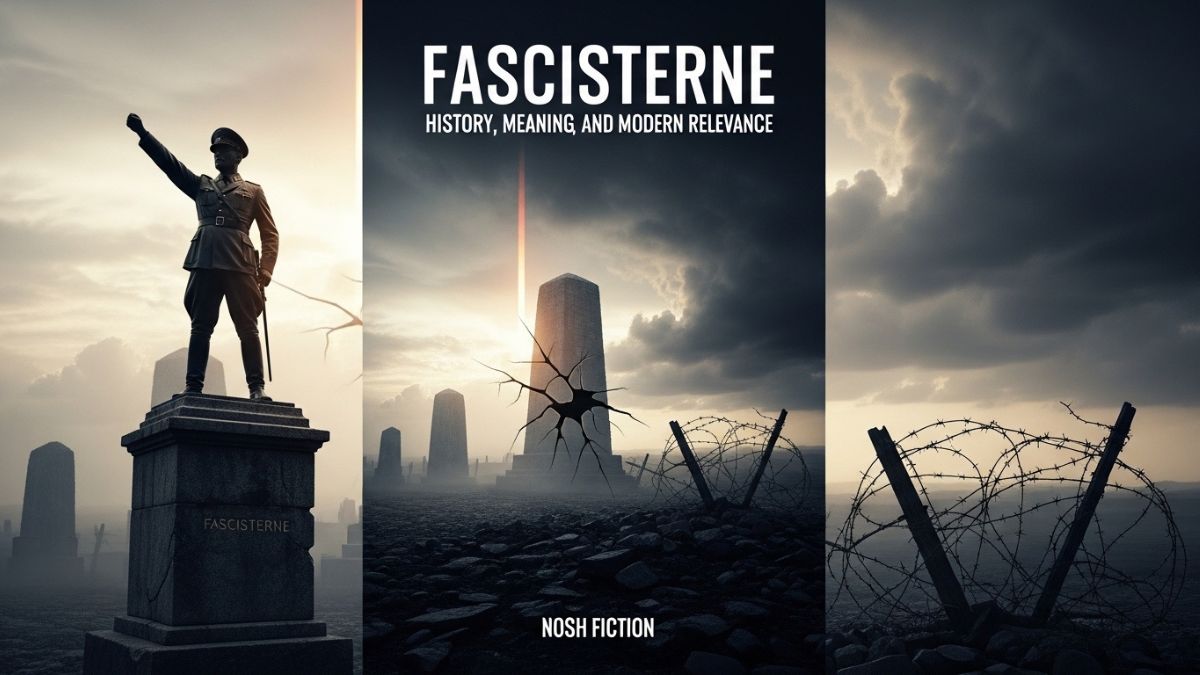
The term fascisterne has gained attention in political, historical, and cultural discussions around the world. Derived from the concept of fascism, fascisterne refers to individuals or groups who follow or promote fascist ideology. Understanding fascisterne requires exploring the historical roots of fascism, its political principles, and its influence on societies throughout history.
Fascisterne emerged prominently during the early 20th century, particularly in Europe, where authoritarian movements shaped political landscapes. These movements often emphasized strong centralized leadership, nationalism, and strict social control. Over time, the word fascisterne has been used both historically and in modern political debates, making it important to understand its true meaning and context.
In this article, we will explore the origins of fascisterne, the ideology behind it, its historical impact, and how the concept is viewed in contemporary society.
The Historical Origins of Fascisterne
The history of fascisterne begins with the rise of fascism in Europe during the early 1900s. Fascism was a political ideology that emphasized nationalism, authoritarian leadership, and the suppression of political opposition. The followers and supporters of this ideology were commonly referred to as fascisterne.
The movement became widely recognized in countries experiencing political and economic instability after World War I. Leaders promoted strong government control and national unity, presenting their ideology as a solution to social unrest.
Key Historical Milestones Related to Fascisterne
| Year | Event | Significance |
|---|---|---|
| 1919 | Formation of fascist movements in Europe | Marked the beginning of organized fascist ideology |
| 1920s | Rise of fascist political parties | Fascisterne gained political influence |
| 1930s | Expansion of authoritarian regimes | Fascist ideology spread across several nations |
| 1945 | End of World War II | Decline of major fascist governments |
These events shaped the perception of fascisterne in historical narratives and influenced how societies view authoritarian political systems today.
Fascisterne and the Core Principles of Fascism
To understand fascisterne, it is essential to explore the main principles associated with fascism. These principles guided the actions and beliefs of fascist followers throughout history.
Nationalism and Identity in Fascisterne Ideology
Nationalism played a central role in the ideology followed by fascisterne. Supporters often promoted the idea that the interests of the nation should come before individual freedoms or democratic values. This approach emphasized unity, loyalty, and cultural identity.
Authoritarian Leadership and Fascisterne Movements
Another defining feature of fascisterne movements was the emphasis on strong leadership. Fascist governments often centered power around a single leader who claimed to represent the will of the nation. This concentration of authority reduced the influence of democratic institutions.
Social Control and Political Structure
Fascisterne also supported strict control over political and social life. Governments associated with fascist ideology often regulated media, restricted opposition parties, and controlled public discourse.
The following table highlights the main ideological components linked with fascisterne:
| Ideological Element | Description |
|---|---|
| Nationalism | Strong focus on national unity and identity |
| Authoritarianism | Centralized leadership with limited democratic processes |
| Political Control | Regulation of media and political opposition |
| Cultural Identity | Emphasis on shared cultural values |
These elements formed the foundation of fascisterne ideology and influenced how fascist movements operated.
Fascisterne in European Political History
The presence of fascisterne was particularly significant in European politics during the first half of the 20th century. Several political movements and governments were associated with fascist ideology during this period.
Countries facing economic crises, political instability, and social unrest often experienced the rise of movements connected with fascisterne. These groups promised stability and national strength, attracting supporters who believed strong leadership could restore order.
Political Impact of Fascisterne
| Area of Impact | Explanation |
|---|---|
| Governance | Centralized political power |
| Economy | State influence on industry and labor |
| Society | Strict control over cultural and political expression |
| International Relations | Aggressive foreign policies |
The influence of fascisterne during this era shaped global history and contributed to significant geopolitical conflicts.
The Cultural and Social Influence of Fascisterne
Beyond politics, fascisterne also influenced culture and society. Governments aligned with fascist ideology often promoted national identity through propaganda, education, and public messaging.
Schools, media outlets, and cultural institutions were frequently used to promote ideological narratives. These efforts aimed to strengthen loyalty to the state and reinforce the values associated with fascisterne.
Cultural Strategies Used by Fascisterne
| Strategy | Purpose |
|---|---|
| Propaganda campaigns | Promote ideological beliefs |
| Educational reforms | Influence younger generations |
| Media regulation | Control public narratives |
| Public events | Encourage national unity |
These cultural approaches played a major role in maintaining the influence of fascisterne movements during their peak.
Fascisterne in Modern Political Discussions
In modern times, the term fascisterne is often used in political discussions, media commentary, and academic research. While historical fascism declined after World War II, the concept remains relevant when analyzing authoritarian tendencies or extremist political movements.
Scholars frequently study fascisterne to understand how certain political conditions can lead to the rise of authoritarian ideologies. By examining historical examples, researchers aim to identify patterns that could help prevent similar developments in the future.
Modern Interpretations of Fascisterne
| Perspective | Description |
|---|---|
| Historical analysis | Study of fascist movements in the 20th century |
| Political science | Examination of authoritarian ideologies |
| Social commentary | Use of the term in public debate |
| Academic research | Investigation of political extremism |
The continued discussion of reflects society’s effort to learn from history and protect democratic institutions.
The Lessons Learned from Fascisterne
The history associated with provides important lessons about governance, political responsibility, and social awareness. Understanding the rise and influence of fascist movements helps societies recognize the dangers of authoritarian systems.
Several lessons can be drawn from the historical experience of :
Key Lessons from Fascisterne History
| Lesson | Explanation |
|---|---|
| Importance of democracy | Strong democratic institutions help prevent authoritarian rule |
| Role of civic participation | Active citizens can safeguard political freedoms |
| Value of historical awareness | Learning from history prevents repeating past mistakes |
| Protection of rights | Safeguarding civil liberties supports a balanced society |
By reflecting on these lessons, modern societies can strengthen their commitment to democratic values and human rights.
Why Understanding Fascisterne Matters Today
In an increasingly interconnected world, understanding political ideologies remains essential. The concept of continues to appear in discussions about political extremism, governance, and global history.
Studying encourages critical thinking about leadership, power, and the role of citizens in shaping political systems. It also helps individuals recognize how historical events influence current political debates.
For students, researchers, and readers interested in political history, the study of provides valuable insights into the development of modern political thought.
Conclusion
The term represents more than a historical label; it reflects an ideology that played a significant role in shaping global history. From its origins in early 20th-century Europe to its presence in modern political discussions, remains an important concept in understanding authoritarian movements and political power.
By examining the history, principles, and influence of , readers can gain a deeper understanding of how political ideologies evolve and affect societies. This knowledge helps promote informed discussions about governance, democracy, and the responsibilities of citizens in protecting political freedom.


In today’s fast-moving digital world, readers expect information that matches their interests instantly. That is where your topics multiple stories becomes a powerful concept. Instead of browsing random articles, users can explore curated collections built around their selected interests. The idea behind your topics multiple stories focuses on delivering personalized content streams tailored to individual preferences, allowing readers to stay informed, entertained, and inspired without wasting time.
As digital platforms evolve, personalization has shifted from luxury to necessity. Whether in news apps, blogging platforms, or content aggregators, your topics multiple stories enhances user experience by organizing diverse content under meaningful categories chosen by the reader. This approach strengthens engagement and ensures relevance in an era overloaded with information.
What Is Your Topics Multiple Stories
The phrase your topics multiple stories refers to a content model where users select specific interests and receive various stories related to those themes. Instead of a single article per subject, readers gain access to multiple narratives, viewpoints, and updates under one chosen topic.
For example, if someone selects technology as a preferred interest, they may receive updates on innovation, gadgets, cybersecurity, and artificial intelligence within that category. The same structure applies to health, finance, travel, sports, or entertainment.
Below is a simplified breakdown:
| Element | Traditional Content Feed | Your Topics Multiple Stories |
|---|---|---|
| Content Flow | Random or chronological | Interest-based |
| Personalization | Limited | High |
| Reader Control | Minimal | Full selection |
| Engagement Level | Moderate | Strong |
This system improves content discovery while reducing irrelevant material.
How Your Topics Multiple Stories Works
The functionality of your topics multiple stories relies heavily on algorithms and user interaction. When users choose their preferred subjects, the system categorizes them and continuously updates relevant content.
User Selection in Your Topics Multiple Stories
Readers first select their interests. These can include business, lifestyle, sports, science, or culture. The platform then builds a content stream around those categories.
Algorithm-Based Content Filtering
Modern digital platforms use artificial intelligence to analyze reading behavior. The system refines recommendations based on engagement patterns, ensuring that your topics multiple stories remains accurate and appealing.
Content Aggregation and Updates
Stories are sourced from multiple publishers or contributors. The platform organizes them under chosen themes, providing fresh perspectives daily.
Benefits of Your Topics Multiple Stories
Personalized content offers several advantages over generic browsing.
Improved Relevance
Readers spend less time searching and more time consuming meaningful material. Since stories align with selected interests, engagement naturally increases.
Broader Perspective Within One Topic
Unlike reading a single article, your topics multiple stories provides different viewpoints on the same subject. This helps readers gain deeper understanding.
Time Efficiency
Time is valuable. Personalized story collections prevent unnecessary scrolling and improve productivity.
Stronger Reader Retention
Platforms using the your multiple stories model often experience higher retention rates because users feel understood and valued.
Popular Categories in Your Topics Multiple Stories
The flexibility of this model allows almost unlimited topic possibilities. Common categories include:
| Category | Example Stories |
|---|---|
| Technology | AI trends, gadget reviews, cybersecurity updates |
| Health | Nutrition guides, mental wellness tips, medical research |
| Finance | Market analysis, investment advice, budgeting strategies |
| Travel | Destination guides, travel hacks, cultural experiences |
| Entertainment | Movie reviews, celebrity interviews, streaming news |
This diversity ensures wide appeal across audiences.
Why Personalization Matters in Your Topics Multiple Stories
Personalization drives modern digital experiences. Users are more likely to return to platforms that reflect their interests.
Data shows that personalized feeds significantly increase click-through rates and time spent on platforms. By using your multiple stories, publishers create stronger relationships with their readers.
The psychology behind this is simple. When people feel content aligns with their passions, they engage more deeply. It creates a sense of ownership and belonging.
SEO Importance of Your Topics Multiple Stories
From an SEO perspective, your multiple stories plays a strategic role. Search engines prioritize relevance and user satisfaction. Personalized content streams improve dwell time and reduce bounce rates.
Here is how it impacts SEO performance:
| SEO Factor | Impact of Your Topics Multiple Stories |
|---|---|
| Bounce Rate | Reduced |
| Session Duration | Increased |
| Page Views | Higher |
| Keyword Targeting | More Focused |
| User Engagement | Improved |
Content categorized around specific also allows websites to rank better for niche keywords.
Challenges of Implementing Your Topics Multiple Stories
Although beneficial, there are challenges in executing this system effectively.
Content Overload Risk
If not organized properly, too many stories under one topic may overwhelm readers.
Algorithm Bias
Automated systems may prioritize trending content over diverse viewpoints, limiting exposure to alternative perspectives.
Privacy Concerns
Since personalization often requires tracking user preferences, transparency about data usage is essential.
Balancing personalization and ethical data practices is key for sustainable growth.
Future of Your Topics Multiple Stories
The future of your multiple stories looks promising as artificial intelligence continues advancing. Emerging technologies will likely improve recommendation accuracy.
Possible developments include:
-
Voice-controlled content customization
-
Cross-platform synchronization
-
Real-time trending topic updates
-
Deeper AI-driven personalization
As digital consumption habits evolve, curated story clusters will likely become standard across major platforms.
Best Practices for Creating Your Topics Multiple Stories
Content creators and website owners can implement this model effectively by following certain principles.
Focus on Quality Over Quantity
Instead of publishing excessive content, prioritize well-researched stories under each topic.
Use Clear Topic Categorization
Organize themes logically so readers can navigate easily.
Update Content Regularly
Consistency ensures that your multiple stories remains dynamic and valuable.
Monitor User Engagement
Analyze which generate higher interaction and adjust strategy accordingly.
Conclusion
Your multiple stories represents a modern solution to information overload. By combining personalization, structured categorization, and multiple viewpoints, this approach enhances digital reading experiences. It empowers users to control what they consume while offering publishers opportunities for improved engagement and SEO performance.
As technology continues evolving, personalized story ecosystems will likely dominate digital platforms. Readers no longer want random information. They want relevant, organized, and meaningful content that aligns with their interests. That is exactly what your multiple stories delivers.
-

 BLOG2 years ago
Escape to Tranquility Experience Grange Bardage Percheronne in Normandy
-

 LIFESTYLE1 year ago
Air Jordan 1 Retro High Off-White University Blue
-

 SOCIAL MEDIA1 year ago
Decoding the Drive Social Media Pyramid Scheme Mystery
-

 LIFESTYLE1 year ago
Air Jordan 4 Retro Metallic Purple
-

 BLOG10 months ago
Decoding 540-315-8592: From Numbers to Messages
-

 HOW-TO GUIDES1 year ago
Shop Smart and Save with Goldengatemax.shop Online Guide
-

 BUSINESS1 year ago
Demystifying 315-442-5267 Common Myths and Facts Revealed
-

 LIFESTYLE1 year ago
Air Force 1 Shadow Pistachio Frost