
HEALTH
The Mind-Body Connection: The Power of Neurological Interventions


Introduction to Neurological Interventions
The human brain is a marvel of complexity, steering the vast range of functions that keep us alive and thriving. Neurological interventions, therefore, play a critical role in enhancing our quality of life. By implementing targeted strategies, including chronic pain treatment, professionals aim to address various neurological discrepancies, promoting a well-rounded sense of wellness. The scope of these interventions extends far beyond simple medical procedures, encompassing a holistic view of health that integrates physical, mental, and emotional aspects.
Neurology integrates traditional and alternative methods to provide holistic healing, focusing on the mind and body as cooperative components of health. These interventions address the root causes of neurological issues, restoring balance and functionality and reflecting an advanced understanding of human biology and health.
Understanding the Brain-Body Connection
The brain influences our ideas and emotions and is vital to physical health. Disruptions in neurological function can lead to physical complications, while physical health issues can manifest neurological symptoms. The brain-body connection determines how our bodies can repair and maintain optimal function. Comprehensive neurological treatment is essential due to the dynamic relationship between mental and physical health. Understanding this link is essential for developing successful treatment plans, addressing several dysfunctional components, and using a holistic approach to recovery.
Innovative Approaches in Neurology
Neurology is a fast-developing area with cutting-edge treatments like transcranial magnetic stimulation, neurofeedback, and virtual reality applications. These advancements improve our understanding of brain functions and expand treatment options for various conditions. Transcranial magnetic stimulation is used to manage depression, while neurofeedback is being explored for ADHD and epilepsy. Virtual reality provides rehabilitation environments for neurological and physical recovery. These technology-driven solutions significantly advance personalized medicine, enhancing patient care and potentially reshaping our understanding of neurology.
Benefits of Integrative Neurological Practices
Integrative neurological treatments aim to treat the whole person rather than just their symptoms by combining conventional care with complementary therapies. This holistic approach requires lifestyle changes, physical interventions, and mental health support. Integrating chiropractic neurology and nutritional guidance can provide broader recovery benefits. Chiropractic neurology optimizes nervous system function, improving balance and coordination. Nutrition, rich in omega-3s and antioxidants, directly influences brain health. This approach emphasizes the importance of mind-body synergy, allowing for a more comprehensive approach to wellness beyond conventional methodologies.
Common Techniques and Treatments
Chiropractic Neurology
Chiropractic neurology focuses on diagnosing and managing neurological conditions without drugs or surgery. By enhancing nervous system function, patients often find relief from migraines, balance disorders, and other neurological challenges. This field takes a noninvasive approach to realigning the spine and other vital structures to support neurological health.
Physical Therapy
A staple in rehabilitation, physical therapy aids in the recovery of movement and physical functionality. It plays a vital role in neurological therapy by tailoring exercises and treatments to help restore standard movement patterns. Physical therapy, which uses progressive rehabilitation to restore normal movement and lessen discomfort, can benefit diseases that limit mobility.
Nutritional Guidance
Proper nutrition is foundational to brain health. Diets rich in antioxidants, good fats, and essential vitamins have been shown to protect the brain and enhance mental acuity. Nutritionists work closely with neurology patients to ensure dietary choices support their neurological healing processes, pushing for nutrient-rich menus that support both body and mind.

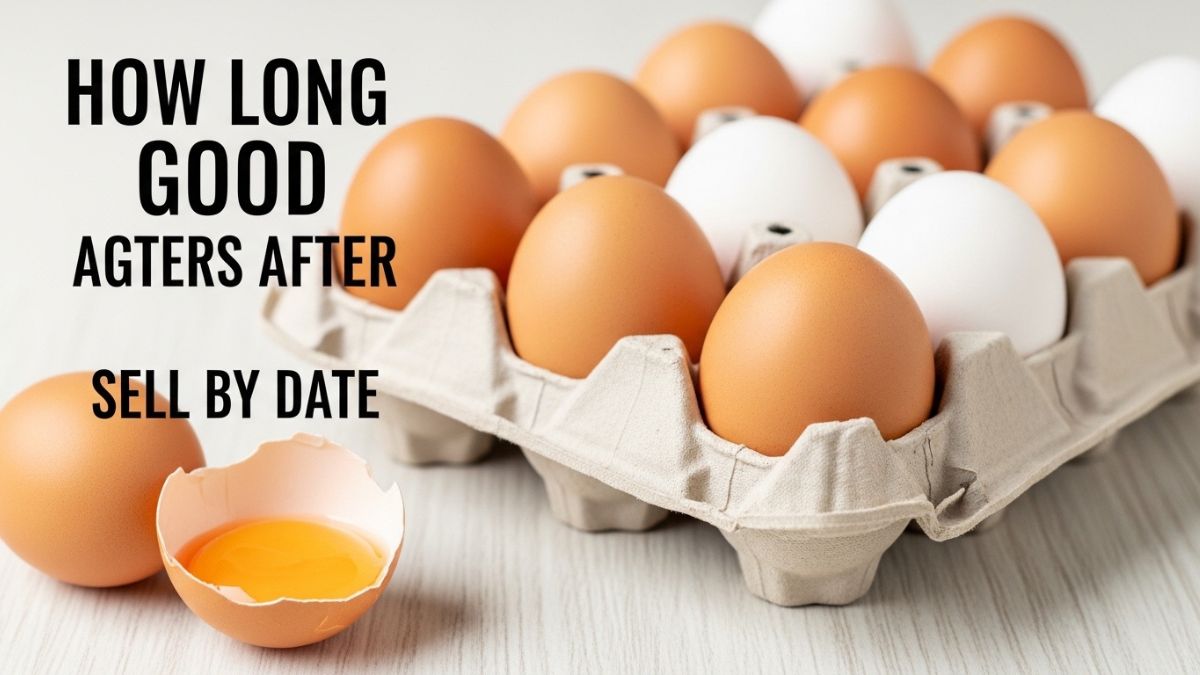
If you have ever opened your refrigerator and wondered how long are eggs good after sell by date, you are not alone. Many people assume that the date printed on the carton means the eggs must be thrown away immediately. In reality, eggs often remain safe and fresh well beyond that stamped date when stored properly. Understanding how long are eggs good after sell by date can help you reduce food waste, save money, and protect your family’s health.
Egg cartons usually display a sell-by date rather than an expiration date. The sell-by date is meant for retailers, not consumers. It indicates how long the store should display the eggs for sale. With correct refrigeration and handling, eggs can stay fresh for weeks after that date. This guide explains everything you need to know, including storage tips, safety checks, and how to tell if eggs have gone bad.
Understanding How Long Are Eggs Good After Sell By Date
To truly answer the question, how long are eggs good after sell by date, it is important to understand what the sell-by date means. This date helps stores rotate stock, but it does not automatically signal spoilage.
In most cases, eggs remain safe for three to five weeks after the sell-by date when kept refrigerated at or below 40°F (4°C). Fresh eggs have a natural protective coating called the bloom, which helps keep bacteria out. In many countries, eggs are washed before packaging, which removes this coating. That is why refrigeration becomes essential.
Below is a simple reference table to clarify typical egg freshness timelines.
| Egg Condition | Time in Refrigerator | Safe to Eat? |
|---|---|---|
| Before sell-by date | Up to printed date | Yes |
| 1 week after sell-by date | 3–4 weeks total from purchase | Yes, if stored properly |
| 2–3 weeks after sell-by date | Up to 5 weeks total | Usually safe if no signs of spoilage |
| More than 5 weeks after sell-by date | Beyond recommended period | Not recommended |
These time frames assume continuous refrigeration and no cracks in the shell.
How Long Are Eggs Good After Sell By Date When Refrigerated
When considering how long are eggs good after sell by date, refrigeration is the most important factor. Eggs should be stored in their original carton on an inside shelf of the refrigerator, not in the door. The temperature in the door fluctuates frequently, which can shorten freshness.
Proper refrigeration slows bacterial growth significantly. In general, eggs can last:
3 to 5 weeks from the pack date
About 1 to 3 weeks after the sell-by date
Up to 5 weeks total in most cases
The pack date, sometimes listed as a three-digit Julian date on the carton, shows the day of the year the eggs were packed. For example, a pack date of 032 means the eggs were packed on February 1st.
The following table compares storage methods and shelf life.
| Storage Method | Temperature | Average Shelf Life |
|---|---|---|
| Refrigerator (main shelf) | 35–40°F | 3–5 weeks |
| Refrigerator door | Variable | 2–4 weeks |
| Room temperature | 68–72°F | Not recommended in washed eggs |
Keeping eggs cold consistently is key to extending their usability beyond the sell-by date.
Signs That Answer How Long Are Eggs Good After Sell By Date
Even if the calendar suggests eggs might still be usable, you should always check for signs of spoilage. Knowing how long are eggs good after sell by date also means understanding how to test freshness safely.
One of the most common methods is the float test. Fill a bowl with water and gently place the egg inside.
If the egg sinks and lays flat on its side, it is very fresh.
If it stands upright on the bottom, it is still safe but older.
If it floats to the surface, it should be discarded.
Eggs float because the air cell inside grows larger over time. However, the float test should not be the only method. Always crack the egg into a separate bowl before cooking. If you notice a strong sulfur smell or unusual color, discard it immediately.
Here is a quick reference table for egg condition checks.
| Test Method | Fresh Egg Result | Spoiled Egg Result |
|---|---|---|
| Float test | Sinks | Floats |
| Smell test | Neutral odor | Strong sulfur smell |
| Visual check | Clear white, firm yolk | Discolored or runny white |
Using multiple methods ensures food safety and confidence in your decision.
How Long Are Eggs Good After Sell By Date for Different Uses
Another important factor in understanding how long are eggs good after sell by date is how you plan to use them. Eggs that are slightly older may still work well in certain recipes.
For baking, slightly older eggs often perform perfectly because they blend easily into batters. Cakes, muffins, and pancakes usually turn out fine as long as the eggs show no spoilage signs.
For frying or poaching, fresher eggs are better. Fresh eggs have thicker whites that hold their shape well. Older eggs spread out more in the pan.
For boiling, eggs that are about a week old after purchase are actually easier to peel. The air pocket inside expands over time, helping the shell separate from the white.
Here is a comparison table for usage based on freshness.
| Egg Freshness | Best Uses |
|---|---|
| Very fresh | Poaching, frying |
| 1–2 weeks old | Scrambling, omelets |
| 2–4 weeks old | Baking, hard-boiling |
This practical approach helps you use eggs efficiently while minimizing waste.
Factors That Affect How Long Are Eggs Good After Sell By Date
Several variables influence how long are eggs good after sell by date. Storage conditions, handling, and even transportation time matter.
Temperature fluctuations are one of the biggest threats to egg freshness. If eggs are left out at room temperature for more than two hours, bacteria can multiply rapidly. Once eggs warm up, condensation can form on the shell, making it easier for bacteria to enter.
Cracked shells also reduce shelf life significantly. Even small cracks allow microorganisms to penetrate the egg. Always inspect cartons before purchasing.
Another factor is washing practices. In countries where eggs are not washed, the protective bloom remains intact, and eggs may be stored at room temperature safely. In regions where eggs are washed and sanitized, refrigeration is mandatory.
Here is a summary table of influencing factors.
| Factor | Effect on Shelf Life |
|---|---|
| Constant refrigeration | Extends freshness |
| Temperature changes | Shortens shelf life |
| Cracked shells | Increases contamination risk |
| Proper carton storage | Protects from moisture and odors |
Understanding these elements provides a clearer picture of egg safety beyond the printed date.
Safe Storage Tips Related to How Long Are Eggs Good After Sell By Date
Proper storage plays a crucial role in determining how long are eggs good after sell by date. Keeping eggs in their original carton prevents moisture loss and protects them from absorbing strong refrigerator odors.
Place the carton on a middle shelf where temperatures remain stable. Avoid transferring eggs to decorative holders that leave them exposed. Keep them away from raw meat to prevent cross-contamination.
If you have leftover egg whites or yolks, store them in airtight containers and use them within two to four days. Cooked egg dishes should be eaten within three to four days when refrigerated.
Freezing is another option. Beaten whole eggs can be frozen for up to one year. However, freezing eggs in their shells is not recommended because the liquid expands and may crack the shell.
Common Myths About How Long Are Eggs Good After Sell By Date
There are many misconceptions about how long are eggs good after sell by date. One common myth is that eggs expire exactly on the printed date. In reality, the sell-by date is not a safety deadline.
Another myth is that floating eggs are always unsafe. While floating often indicates age, some floating eggs may still be safe if they pass the smell and visual tests. However, caution is always advised.
Some people believe brown eggs last longer than white eggs. The truth is that shell color depends on the breed of the hen and does not affect freshness or shelf life.
Dispelling these myths helps consumers make informed decisions instead of discarding perfectly good food.
Final Thoughts on How Long Are Eggs Good After Sell By Date
So, how long are eggs good after sell by date? In most cases, eggs remain safe for three to five weeks when stored properly in the refrigerator. The sell-by date serves as a guide for retailers rather than a strict expiration for consumers.
By keeping eggs consistently cold, checking for cracks, performing freshness tests, and paying attention to smell and appearance, you can confidently use eggs beyond the printed date. Understanding storage guidelines and food safety practices ensures both quality and peace of mind.
Rather than relying solely on the calendar, use your senses and proper handling techniques. Doing so will help you reduce food waste, save money, and maintain a safe kitchen environment.

Few ingredients can change a dish like cheese can. Whether it is creamy pasta sauces, crisp pizzas, sandwiches, or salads, cheese adds a touch of texture, flavor, and depth that makes even the most basic foods seem fancy.
However, with hundreds of varieties of cheeses on the market, each with its own distinctive tastes, melting behaviors, and applications, selecting the right cheese can be overwhelming.
Whether you’re a home cook or a would-be chef, knowing how to match your recipes with cheese can be the key. Here’s how to always pick the best cheese.
Understanding Cheese Basics
It is helpful to understand how each type of cheese is differentiated. Cheese can be classified by texture, taste, and milk base to aid in making the appropriate selection.
Texture
Light creamy cheeses such as Brie, Camembert, and Ricotta are soft and mild and ideal for spreading or melting away. Semi-soft cheeses like Mozzarella and Fontina are smooth to melt, making them perfect for pizza or lasagna. Hard cheeses, such as Parmesan, Pecorino Romano, and Grana Padano, have high flavors and are grateable.
Flavor profile
Cheeses are mild, milky, sharp, and nutty. Mellow cheeses blend well in cuisine, whereas aged or strong ones add flavor and zest.
Milk source
Cow milk is creamy and sweet, goat milk has a tangy freshness, and sheep milk has a rich, earthy flavor.
Integrating Cheese into Cooking
Cheese reacts differently to heat. Knowing its reaction will assist you in choosing the most suitable one for your dish.
For melting
When you want to melt cheese, say, in grilled cheese, pasta, or fondue, you will require a smooth, melting cheese. Best choices? Mozzarella, Gruyere, Fontina, Monterey Jack, or Provolone. Use two cheeses to add richness–Mozzarella to stretch and Cheddar to add flavor, e.g.
For grating and garnishing
When grated, hard cheeses are very umami and crunchy.
- Best choices? Parmesan, Asiago, or Manchego.
- Best use? Top pasta, risotto, or salads with sprinkles to add a savory taste.
For baking
When preparing casseroles, quiches, or baked pasta, use cheeses that do not get greasy.
- Best choices? Gruyere, Swiss, or mild Cheddar.
- Do not use only mozzarella; it may cause too much moisture in baking.
For spreading and dips
Soft cheeses add creamy texture and subtle richness to spreads or dips.
- Best choices? Cream cheese, Ricotta, or Mascarpone.
- Best use? Add herbs or garlic to make dips or sandwich fillings packed with flavor.
Combining the Cheese with Flavor Profiles
The other ingredients are not overwhelmed by cheese; they do not play the second fiddle.
With savory dishes
Intense flavors like meat, garlic, and tomato-based sauce pair well with aged cheeses that can handle the challenge. Cheddar, Asiago, Parmesan, or Gruyere in burgers, pasta, or casserols.
Gusts with sweet or tender tastes
Mild cheeses are an advantage to lighter dishes like fruit salads, pastries, or white sauces. Examples: Ricotta, Brie, or Cream Cheese combined with fruits, honey, or herbs.
With spicy foods
To balance spice, use creamy cheeses that are calming to the palate. Examples: Mozzarella, Queso Fresco, or Monterey Jack in tacos, Nachos, or spicy soups.
Cheese Choosing by Recipe Type
You can explore any of these:
Pizza and pasta
Mozzarella is a traditional pizza topping because it melts and stretches; however, mixing it with Provolone or Parmesan can enhance its flavor.
Parmesan and Pecorino Romano are the best finishing cheeses for pasta, and Ricotta is a great filling for lasagna or ravioli.
Sandwiches and burgers
Cheddar, Swiss, or Pepper Jack offer rich tastes and can be melted. For gourmet choices, you can have Brie or Gouda, with their rich, creamy taste.
Salads and appetizers
Toss salads with crumbled feta, Goat Cheese, or Blue Cheese to add a tangy bite. Combine with fruits, nuts, and vinaigrettes to counteract acidity and sweetness.
Breakfast and brunch
Toast, pancakes, or pastries are ideal with cream cheese and Ricotta. Mild cheeses like cheddar or mozzarella are best for omelets or egg bakes because they will not dominate the flavor.
Finding a Balance Between Texture and Temperature
You don’Remember these:
- One of the most important aspects of cooking cheese is controlling the temperature.
- Soft cheeses are better served at room temperature to make them tastier and creamier.
- Finely grate hard cheeses and add to hot dishes to distribute evenly.
- Cheese should not be overheated since it may separate into fat and protein, giving it an oily feel.
- Add cheese at the end of cooking to preserve its taste and consistency.
Cheese Pairing Experiments
Preparing cheese for cooking is an art rather than a science. Don’t hesitate to experiment:
- Balance sharp and mild cheeses.
- Add dimension with herbed or smoked varieties.
- Add foreign cheeses, such as Halloumi, Cotija, or Comte, to add different textures and flavors.
For example, Halloumi is not meltable, which means that it can be grilled and served in summer salads, whereas Comte can be added to creamy dishes with a nutty flavor.
Storage and Freshness Tips
Here are some tips:
- Even the finest cheese cannot shine when it is not stored properly.
- Wrap the cheese in parchment paper, then place it in a resealable bag to allow it to breathe.
- Do not freeze soft or fresh cheeses- they become soft. Hard cheeses, on the contrary, can be frozen and grated later.
- The expiration date of checks is not important, but you can use smell and look to determine it. Fresh cheese should never grow mold (except in the case of Blue Cheese).
Your cheese must not lose its aroma or texture, and it should be stored properly to enable you to complete any dish with it.
Conclusion
Cheese is not merely a component; it is a storyteller in each dish. With the right cheese, a simple recipe can become something you will never forget, be it in the layering of lasagna, making a sandwich, or adding magic to a salad.
Knowing about texture, melting properties, and pairing principles, you will be able to make certain cheese choices that harmonize with your dishes and amaze each taste. The next time you cook, think outside the box. The ideal decision may be the secret ingredient your recipe has been lacking. Finally, visit maestrella.com to learn more.

Understanding Addiction Recovery: What Families Need to Know
Supporting a loved one through addiction recovery is a deeply compassionate act, but also a journey filled with challenges and learning. Addiction is a chronic, complex condition, and successful recovery depends not only on professional treatment but also on the supportive environment provided by family and friends. Local options like addiction treatment Yorktown Heights NY can be an important resource in this journey, offering specialized counseling and therapy for individuals and families. It’s vital to recognize that recovery is rarely a linear process. Relapses can occur and are often part of the journey, not an end to it. By learning about the stages of recovery, family members are better prepared to offer the right kind of support without placing undue pressure on their loved one. Understanding the nature of addiction, the neurobiological factors, and the triggers involved makes family support more effective and compassionate.
Common Barriers To Support And How To Overcome Them
Families often face barriers when trying to support someone in recovery. One major challenge is the fear of enabling harmful behaviors while trying to offer support. There is a delicate balance between being helpful and inadvertently making it easier for the person to continue unhealthy habits. Stigma surrounding addiction can also make it difficult to speak openly or seek help. Additionally, the emotional toll of witnessing a loved one struggle can lead to frustration or burnout. Education is one of the most powerful tools for overcoming these barriers. Connecting with support networks, reading reputable sources, or participating in counseling sessions can clarify misconceptions and provide actionable strategies. Families who take time to learn and connect with others in similar situations feel more empowered and less isolated, allowing them to sustain supportive relationships through the ups and downs of recovery.
Creating Open Lines Of Communication
Effective communication is essential throughout the recovery process. Open and honest dialogue creates a safe environment for your loved one to share feelings, setbacks, and achievements without fear of judgment. The focus should be on listening more than talking—allow your loved one to express themselves, and respond with empathy rather than advice or criticism. Active listening can be practiced by summarizing what your loved one says, maintaining eye contact, and asking clarifying questions to ensure understanding. Avoid blame or rehashing past wrongs—instead, center conversations on current needs and future goals. This foundation of trust can make recovery feel less isolating and more sustainable.
Setting Healthy Boundaries Without Guilt
Boundaries not only protect your own well-being but also create a structure in which recovery can flourish. Clear boundaries—such as refraining from giving money or enabling destructive behaviors—help establish trust and respect on both sides. For example, you may decide to offer rides to appointments or provide emotional support, but draw the line at paying rent or covering debts. Setting and maintaining boundaries can be challenging emotionally, and sometimes guilt may arise. Remind yourself that healthy limits are a form of caring and are vital for everyone’s mental health. Consistent boundaries reinforce accountability, which is invaluable for sustained recovery.
Providing Practical Support in Everyday Life
Small acts of support can have a profound impact. This could be as simple as offering a daily check-in, preparing nutritious meals, or accompanying your loved one to therapy or group meetings. Social support networks are crucial in maintaining sobriety and reducing relapse rates. You may also help your loved one develop healthy routines, celebrate their achievements, and encourage participation in positive social activities. Remember, the strongest support often comes through consistency and presence, rather than grand gestures.
The Role Of Self-Care For Supporters
Supporting someone in addiction recovery can be emotionally draining. Focusing on your own self-care—whether through exercise, relaxation, or hobbies—helps sustain your resilience and emotional well-being. Support groups or other community resources offer a safe space to share feelings and learn from others facing similar challenges. Practicing self-care enables you to stay present, patient, and effective in your supportive role. When you take care of yourself, you’re better equipped to support your loved one for the long term.
Knowing When To Seek Professional Help
There are times when professional intervention becomes necessary. Signs that your family could benefit from outside help include increased arguments, emotional exhaustion, or a sense that progress has stalled. Group therapy, individual counseling, or family therapy can all provide tools and guidance tailored to your specific situation. If you suspect your loved one’s safety is at risk or if you’re unsure about the best course of action, reach out to an experienced addiction counselor or a healthcare provider trained in substance use disorders. Professional support can be a turning point—not only for your loved one but for the entire family dynamic.
Conclusion
Supporting a loved one through addiction recovery is a journey that requires patience, understanding, and compassion. Families play a crucial role by fostering open communication, setting healthy boundaries, providing practical support, and prioritizing their own self-care. While challenges and setbacks are part of the process, education, empathy, and professional guidance can empower families to navigate these difficulties effectively. No one walks the recovery journey alone, and the presence of a supportive, informed family can make a profound difference in both the loved one’s recovery and the family’s own well-being. Remember, small, consistent acts of care and support often have the most lasting impact, reinforcing hope, resilience, and the possibility of sustained recovery.
-

 BLOG2 years ago
Escape to Tranquility Experience Grange Bardage Percheronne in Normandy
-

 LIFESTYLE2 years ago
Air Jordan 1 Retro High Off-White University Blue
-

 SOCIAL MEDIA1 year ago
Decoding the Drive Social Media Pyramid Scheme Mystery
-

 LIFESTYLE2 years ago
Air Jordan 4 Retro Metallic Purple
-

 BLOG10 months ago
Decoding 540-315-8592: From Numbers to Messages
-

 HOW-TO GUIDES1 year ago
Shop Smart and Save with Goldengatemax.shop Online Guide
-

 BUSINESS1 year ago
Demystifying 315-442-5267 Common Myths and Facts Revealed
-

 LIFESTYLE2 years ago
Air Force 1 Shadow Pistachio Frost